

Difficult access rubbish collection flats Ballards Lane tips
Posted on 07/10/2026
If you manage or live in flats near Ballards Lane, you already know the awkward bits can make rubbish collection feel far more complicated than it should. Tight stairwells, basement stores, shared entrances, no lift, parked cars, and that one bin point everyone seems to misunderstand - it all adds up. These Difficult access rubbish collection flats Ballards Lane tips are here to make the job calmer, safer, and less frustrating, whether you are planning a one-off clear-out or trying to keep a building running smoothly week after week.
Truth be told, the hardest part is often not the waste itself. It is the access. Can a team park legally close enough? Will the bags fit through the hall without scuffing walls? Is there a door code, a concierge, a broken lift, or a neighbour who works nights and needs quiet? Get those details right, and the whole process becomes noticeably easier. Get them wrong, and you can lose time fast.
This guide walks through how difficult-access rubbish collection usually works in flats around Ballards Lane, what to prepare, what to avoid, and how to make a practical decision about the best collection method. You will also find a checklist, a comparison table, and a real-world example so you can see how the advice plays out in everyday life.
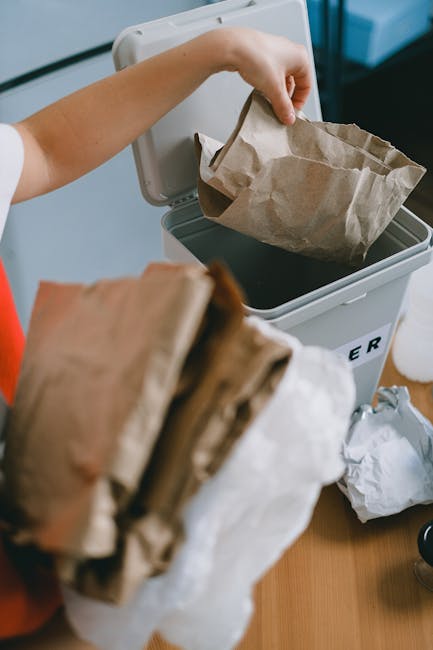
Why Difficult access rubbish collection flats Ballards Lane tips Matters
Flat blocks along Ballards Lane often combine high footfall, narrow access, and limited parking with the ordinary realities of domestic waste. That mix creates a very specific challenge: rubbish still needs to move, but the route to move it is rarely straightforward. A bag that would be simple in a house can become awkward in a third-floor flat with one shared stairwell and a locked external gate.
Why does this matter so much? Because difficult access affects almost every part of the job: timing, labour, safety, cost, and even how much mess is left behind. If a team has to carry items further than expected, navigate stairs carefully, or wait while someone finds a key, the collection takes longer. And longer jobs need more planning. Simple enough in theory, messy in real life.
It also matters for residents. Nobody wants bins left in hallways, bags dragged through communal carpet, or a collection delayed because access instructions were vague. For landlords, managing agents, and block residents, good planning reduces complaints and keeps the building presentable. In a busy area like Finchley, that can make a bigger difference than people expect.
Practical truth: difficult access waste removal is usually less about brute force and more about coordination. The smoother the access plan, the less the collection feels like a small emergency.
How Difficult access rubbish collection flats Ballards Lane tips Works
At a basic level, rubbish collection from flats works the same as any domestic clearance: items are identified, sorted, removed, and taken away for disposal, reuse, or recycling where possible. The difference with difficult access is that the route in and out needs planning before anyone lifts a single bag. That means thinking like a logistics person for a moment. Not glamorous, but very useful.
For a Ballards Lane flat, that often means checking:
- whether there is lift access or only stairs
- how wide the corridors and doorways are
- where the vehicle can legally stop
- whether the waste point is in a courtyard, basement, or rear alley
- if keys, fobs, entry codes, or porter support are needed
- what kind of waste is involved: general rubbish, furniture, builders' waste, or mixed items
Sometimes the process is straightforward once these details are known. A team arrives, loads from the flat, and clears the waste in one visit. Other times, a pre-check is needed, especially where bulky items, multiple floors, or restricted parking are involved. In our experience, a five-minute access discussion at the start can save half an hour later. Easy win, really.
It is also worth understanding that access affects sorting. If items need to come down several flights, crews may separate bulky items from bagged waste to make the movement safer and more efficient. That is particularly useful in older buildings where stairways are tight and the natural temptation is to carry too much at once. Don't do that. It never ends well.
For readers comparing service types, the services overview can help you think through which clearance option suits the building layout and the type of waste you need removed.
Key Benefits and Practical Advantages
Good planning for difficult-access flat collections is not just about convenience. It can change the whole experience from stressful to manageable. The main benefits are practical and immediate.
- Less disruption to neighbours: quieter, quicker movement through communal areas means fewer complaints.
- Safer handling: planning the route reduces the chance of slips, strained backs, or dropped items.
- Better timekeeping: if the crew knows where to park and how to enter, they can work efficiently.
- Cleaner shared spaces: fewer trips through hallways usually means less dirt, scuffing, and clutter.
- Clearer pricing expectations: access details help avoid last-minute surprises.
- More recycling potential: when rubbish is sorted properly at the start, recyclable material is easier to separate.
Another quiet advantage is confidence. If you are a tenant trying to clear a flat before a deadline, or a managing agent dealing with a full bin store after a few missed collections, having a proper plan takes pressure off everyone. You can see the route, the timing, and the likely obstacles. That calm matters more than people admit.
If you are also comparing prices or trying to understand why one quotation is different from another, the page on pricing and quotes is a sensible place to start.
Who This Is For and When It Makes Sense
This topic is relevant to a wider group than many people think. It is not just for landlords or block managers. If waste has to move through a difficult building, these tips matter.
- Residents in upper-floor flats: especially where lifts are unreliable or unavailable.
- Landlords and letting agents: useful during end-of-tenancy clearances or when preparing a unit for re-let.
- Managing agents and freeholders: helpful for bin store issues, bulky waste, and shared access planning.
- Students and sharers: when items pile up quickly and move-out day arrives all at once.
- Older residents or families: where moving heavy items down stairs would be awkward or unsafe.
- Anyone clearing bulky waste: furniture, appliances, bags of mixed rubbish, or loft contents from a flat.
It makes sense whenever the collection is likely to be constrained by the building rather than by the volume of waste alone. A small amount of rubbish can still be tricky if the access is poor. A larger load can be handled well if the setup is organised. The building itself is often the deciding factor.
For people dealing with furniture or one-off bulky pieces, the furniture disposal Finchley page is useful background reading, particularly if the item will not fit in a lift or around a tight corner.
Step-by-Step Guidance
Here is a simple way to approach difficult-access rubbish collection in flats near Ballards Lane. Keep it practical. Keep it honest. And yes, measure twice if you can - it saves a headache.
1. Map the route before booking
Start with the basics: which floor, which entrance, which lift or stairwell, and where the vehicle can stop. If you know the parking situation near the block, mention it upfront. A crew cannot guess whether they will be facing a quick kerbside load or a long carry through a rear service yard.
2. Identify what needs to go
Separate general waste from bulky items, appliances, and anything potentially hazardous. A mixed pile looks manageable until moving day, then suddenly it does not. If possible, group similar items together so the team can work in a sensible order.
3. Check access restrictions
Look for gated entrances, intercoms, timed access windows, concierge rules, permit parking, or loading restrictions. If the lift is out of service, mention that early. It sounds obvious, but this is where many collections go sideways.
4. Protect shared areas
If waste has to travel through communal hallways, lay down protection where needed and keep the route as clear as possible. A little care goes a long way in older buildings where floors mark easily and walls show scuffs straight away.
5. Plan for extra time, not just extra people
Difficult access is not always solved by adding more hands. Sometimes the best move is allowing enough time for careful lifting, door holding, stair turns, and sorting. Rushing causes mistakes. Slow is not the goal, but steady usually is.
6. Confirm what happens at the end
Before the team leaves, make sure you know whether anything was left behind, whether access routes were restored, and whether recycling was separated. It is surprising how often people forget the final check. Then they spot one bag by the bin store an hour later. Annoying, but fixable if noticed early.
Expert Tips for Better Results
These are the kinds of practical details that make a collection smoother without turning the whole process into a production. Small things, big difference.
- Photograph the access route before collection day. A couple of clear pictures of stairs, gates, and the bin store can tell a clearer story than a long message.
- Keep the loading point obvious. If the vehicle needs to stop in a specific place, say so plainly. "Outside the front entrance" is better than "near the flat."
- Use smaller bags if stair access is tight. Heavy overfilled sacks are awkward and more likely to split.
- Break down furniture where possible. Flat-pack items, detached legs, and removed cushions make life easier for everyone.
- Label items that must stay. It sounds basic, but in cluttered flats it prevents mistakes. A bright note or taped label helps.
- Think about neighbours. Early morning noise, blocked hallways, and shared entrances can all create avoidable friction.
One thing people often miss is the emotional side. If the flat is packed because of a move, a refurbishment, or a family situation, the access plan can reduce stress in a very real way. Not everything needs to be dramatic. Sometimes the best service is simply one that does not create more chaos.
If your waste includes mixed renovation debris or awkward materials from a small property project, the builders waste disposal Finchley page may be relevant too, especially where access is tight and the load includes heavy fragments.
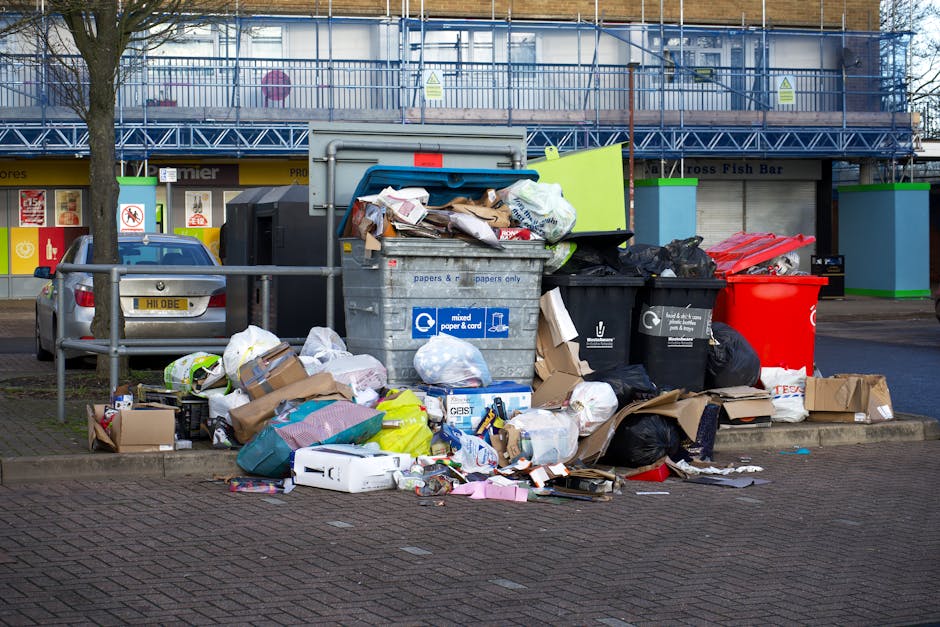
Common Mistakes to Avoid
A lot of collection problems come from simple oversights. The good news is that most are avoidable once you know what to look for.
- Underestimating the stair count: one extra floor can be the difference between easy and exhausting.
- Forgetting parking restrictions: a great plan can unravel if the truck cannot stop nearby.
- Not telling anyone about broken lifts: this one causes more delay than people expect.
- Leaving waste un-sorted: mixed waste takes longer to handle and may reduce recycling opportunities.
- Overfilling bags: split bags are messy and risky to carry.
- Assuming communal areas are clear: bins, prams, bikes, and deliveries often block the route at the worst moment.
- Booking too late: if you need clearance before a move-out or inspection, last-minute arrangements can be tight.
Let's face it, nobody likes being the person who says, "I thought that would be fine." But access jobs reward the opposite mindset. Ask one more question. Check one more detail. It is boring, yes. Also effective.
Tools, Resources and Recommendations
You do not need a full kit of specialist equipment for every flat clearance, but the right tools do make difficult access much easier to manage. A few basics can transform the day.
| Tool or Resource | Why It Helps | Best Use Case |
|---|---|---|
| Sturdy sacks and box cartons | Safer to carry, easier to stack, less likely to split | Bagged household waste and mixed small items |
| Furniture straps or dollies | Helps move heavier pieces through tight routes | Bulky items, appliances, and awkward loads |
| Door protectors and floor coverings | Reduces scuffs and damage in communal spaces | Shared hallways, stairwells, and narrow entrances |
| Phone photos of access points | Gives a clearer picture before arrival | Booked collections, especially where access is unusual |
| Building keys, fobs, or concierge instructions | Prevents waiting at the entrance and repeated calls | Secure blocks and managed estates |
For related reading on how collections are organised locally, the article rubbish removal around Finchley Central and Ballards Lane is a useful companion. It adds local context without overcomplicating the picture.
You may also want to look at the recycling and sustainability page if part of your goal is to reduce landfill waste where possible. In flat clearances, small sorting choices really do add up.
Law, Compliance, Standards, or Best Practice
For flat collections in the UK, there are a few broad principles worth keeping in mind. This section is not legal advice, and details can vary depending on the building, the waste type, and the service arrangement. Still, the basic approach is consistent: handle waste responsibly, keep shared spaces safe, and follow the rules that apply to the building and the collection method.
Best practice usually includes proper segregation where practical, safe lifting, sensible parking arrangements, and avoiding obstruction in communal areas. If items are being moved through shared parts of a block, courtesy matters as much as speed. That means keeping routes clear, not leaving waste in fire exits or entrances, and respecting residents who need access at the same time.
Where commercial-looking waste is involved, or where the clearance includes items from a rented property, it is wise to confirm responsibilities in advance. That way the person arranging the collection is not left guessing who should do what. A clear agreement avoids awkward conversations later. And awkward conversations are rarely anyone's hobby.
Insurance and safety also matter. If a team is carrying heavy items down stairs or through tight communal areas, it is sensible to ensure the work is covered appropriately and handled with care. The page on insurance and safety explains the general approach expected from a professional waste clearance service.
For a broader look at how the business operates responsibly, you may also find the about us page helpful, along with the information on terms and conditions if you want to understand expectations before booking.
Options, Methods, or Comparison Table
There is more than one way to handle rubbish from hard-to-access flats. The right choice depends on volume, item type, urgency, and the building layout. Sometimes a standard collection is enough. Sometimes a more hands-on clearance approach is better.
| Method | Best For | Pros | Watch Outs |
|---|---|---|---|
| Bagged rubbish collection | General household waste and smaller clear-outs | Quick, tidy, usually straightforward | Can become time-consuming if access is poor or bags are overfilled |
| Bulky item removal | Furniture, mattresses, white goods, and large awkward items | Removes heavy objects without the resident lifting them alone | Needs careful route planning and sometimes dismantling |
| Full flat clearance | End-of-tenancy, probate, relocation, or major declutter | Comprehensive, efficient, less back-and-forth | Requires clearer instructions and more upfront sorting |
| Partial clearance | Just one room, one cupboard, or selected items | Cost-effective and flexible | Can be slower if the access route is awkward and items are scattered |
If you are weighing up a quicker response for a time-sensitive move, the same-day rubbish removal guide is worth a look. It gives you a better sense of when urgency helps, and when it just creates pressure.
Case Study or Real-World Example
Picture a typical flat off Ballards Lane: third floor, no lift, shared stairwell, limited parking on the main road, and a rear bin store that is only reachable through a narrow passage. Nothing outrageous, but enough to make a rubbish collection fiddly.
The resident had a mix of bags, an old chair, a bedside cabinet, and a few boxes from a recent move. At first glance it looked like a small job. Then the access details emerged: the front entrance needed a fob, parking close to the block was restricted at certain times, and the stairwell turned sharply halfway up. Easy to miss. Easy to regret.
Before collection day, the resident sent a couple of photos of the entrance and the stairwell, then confirmed the best loading point. They separated the chair from the bagged waste, removed loose bits from the boxes, and cleared a path from the front door to the landing. The result? The collection was calmer, faster, and there was no need for repeated trips to check the entrance or sort out access at the last minute.
The useful lesson here is simple: the waste load was not the main issue. The access was. Once the access was understood, everything else settled into place. That is very often how these jobs go. Not always dramatic. Just a bit inconvenient until someone gives the details a proper look.
Practical Checklist
Use this checklist before collection day. It is short, but it covers the things that most often trip people up.
- Confirm the flat number, floor, and entry point
- Check whether there is lift access or stairs only
- Note any width restrictions, tight corners, or low ceilings
- Identify parking restrictions and loading access near Ballards Lane
- Share any entry codes, keys, or fob details in advance
- Separate general rubbish from bulky items and recyclable materials
- Break down furniture where safe and practical
- Keep communal hallways clear on the day
- Protect floors and walls if items are being moved through shared areas
- Tell neighbours or the building manager if the collection may cause brief disruption
- Double-check whether anything should stay behind before the team leaves
Expert summary: with difficult-access flat collections, the best results usually come from clear access details, sensible sorting, and a little patience. Not glamorous, but it works.
Get a free quote today and see how much you can save.
Conclusion
Handling rubbish collection from flats near Ballards Lane does not have to be complicated, even when access is awkward. The trick is to respect the building layout, prepare the route, and communicate the small details that make a big difference. Once you do that, the whole process becomes more predictable and much less stressful.
Whether you are clearing one bulky item, emptying a flat after a move, or helping manage a shared bin area, the same principles apply: plan ahead, keep the route clear, and choose the method that suits the access, not just the rubbish. Simple, practical, and honestly a lot less painful.
And if the whole thing still feels a bit much, that is fair enough. These jobs can be fiddly. But with the right prep, they are absolutely manageable, and usually quicker than they first look.

 Tipper Van - Rubbish Disposal and Waste Clearance Prices in Finchley, N2
 Luton Van - Rubbish Disposal and Waste Clearance Prices in Finchley, N2

