

Rubbish collection North Finchley Tally Ho corner explained
Posted on 30/06/2026
If you live, work, or manage property near Tally Ho corner, rubbish collection can feel simple on the surface and oddly complicated in practice. One day it is a single broken chair. The next it is bags of flat-pack packaging, garden cuttings, old office bits, or a last-minute clear-out before the builders arrive. This guide to Rubbish collection North Finchley Tally Ho corner explained breaks the process down clearly: what it means, how it works, what to watch out for, and how to choose the right approach without wasting time or money.
We will also cover the local reality that matters most: access, parking, mixed waste, recycling expectations, and the kind of planning that saves a headache later. If you want the bigger picture first, it can help to skim the services overview and the company's notes on recycling and sustainability before booking anything. Small detail? Maybe. Useful detail? Definitely.
Expert summary: The best rubbish collection near Tally Ho corner is the one that matches the waste type, access conditions, and timing of your day, not just the one that looks cheapest at first glance.
Why Rubbish collection North Finchley Tally Ho corner explained Matters
Tally Ho corner sits in a busy part of North Finchley, which means rubbish removal is rarely just about lifting and loading. Streets can be busy, access can be tight, and there is often a mix of homes, shops, flats, offices, and ongoing property work. So the real question is not simply "Can this waste be taken away?" but "How do you remove it cleanly, safely, and without disrupting everyone else around you?"
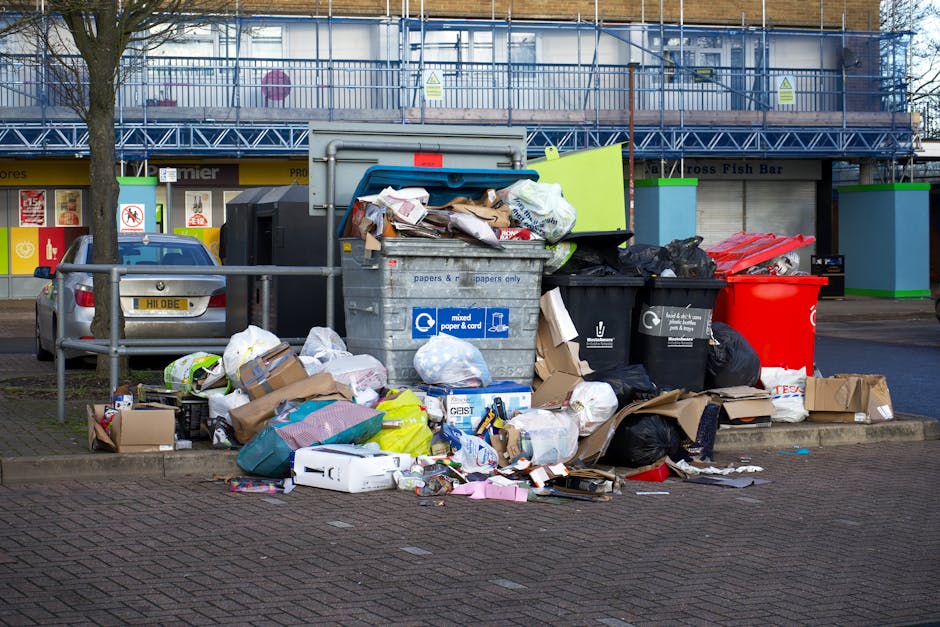
That matters because waste left outside for too long attracts attention fast. Not the good kind. Bags can split, cardboard gets soggy, and one windy afternoon can scatter packaging across the pavement like confetti nobody asked for. If you are preparing a move, clearing a property, or managing day-to-day commercial waste near the junction, an organised collection keeps things calm and keeps complaints down.
This is also where local knowledge helps. A collection team that understands the rhythm of North Finchley is usually better prepared for access constraints, loading times, and the practical realities of working near a busy corner. For broader context on the area itself, the posts on why residents love Finchley and the charm of Finchley from a visitor's point of view help explain why careful, considerate service matters here.
How Rubbish collection North Finchley Tally Ho corner explained Works
In plain terms, rubbish collection is the process of removing unwanted items from your property or premises and transporting them to an appropriate waste facility for sorting, recycling, or disposal. Around Tally Ho corner, the practical process usually looks something like this:
- You describe the waste you have, including roughly how much there is and what type it is.
- A provider estimates the job based on volume, weight, access, and whether any items need special handling.
- A collection time is arranged, often with a window that fits around traffic and parking realities.
- The crew arrives, assesses the load, and confirms anything that cannot be taken in the same way as general waste.
- Items are loaded, the area is tidied, and the waste is taken away for processing.
Simple enough, but the details matter. Mixed waste, for example, is not the same as a few black bags. Builders' rubble, furniture, electrical items, green waste, and office waste may all need different handling. If you are unsure, it is worth looking at the service pages for furniture disposal, garden waste removal, or builders waste disposal depending on what you actually need removed.
A decent operator will also be upfront about what happens to the waste afterwards. Not every item is destined for landfill, and that is a good thing. Reusable material, recyclable material, and residual waste are usually separated where possible. If that sounds a bit dull, fair enough, but it is the difference between a tidy solution and a messy one.
Key Benefits and Practical Advantages
The most obvious benefit is speed. When rubbish is in the way, you want it gone, not tomorrow, not "some time next week." But there are several other advantages that are easy to overlook until you actually need them.
- Less disruption: A planned collection avoids piles building up in hallways, gardens, drives, or shared spaces.
- Cleaner presentation: Useful for landlords, sellers, and anyone trying to keep a property presentable.
- Safer movement: Removing broken furniture, loose timber, or scattered packaging reduces trip hazards.
- Better recycling outcomes: Segregated waste is more likely to be handled correctly.
- Time savings: You avoid multiple trips to disposal points and the usual "where do I even start?" moment.
There is also a quieter benefit: peace of mind. That sounds soft, but in real life it matters. If you are juggling tenants, tradespeople, or a family clear-out, one reliable collection can take a noticeable weight off your shoulders.
And if you are comparing waste removal choices more broadly, the company's waste clearance service and rubbish collection page are useful places to understand what is covered before you commit to anything.
Who This Is For and When It Makes Sense
This kind of collection suits more people than you might expect. It is not just for end-of-tenancy clearances or building work. Around North Finchley and Tally Ho corner, the common situations include:
- homeowners getting rid of accumulated household clutter
- landlords preparing between tenancies
- tenants leaving behind bulky items or mixed rubbish
- small businesses clearing office furniture or archive waste
- tradespeople managing light construction waste
- garden owners dealing with green cuttings and old planters
- families tackling lofts, sheds, garages, and spare rooms
It makes sense when the waste is too much for normal household bins, too awkward for a personal car, or simply too urgent to leave sitting around. In some cases, a full house clearance is the better fit. In others, a smaller visit or a focused loft clearance is enough. The best option depends on what you have, not on how dramatic the mess feels at 8:00 on a Tuesday morning.
Truth be told, people often wait too long. They try to stack items neatly in a corner, hoping the problem will sort itself out. It usually does not.
Step-by-Step Guidance
If you want a smoother collection, use this sequence. It keeps the job efficient and helps avoid last-minute surprises.
- Sort the waste by type. Separate general rubbish, cardboard, timber, furniture, green waste, and any electrical items if possible.
- Identify anything unusual. Paint, solvents, gas bottles, fridges, mattresses, or heavy rubble may need special handling.
- Measure the space. You do not need a surveyor's notebook. Just a rough sense of how many bags, how much floor space, or how many bulky items.
- Check access. Think about stairs, narrow hallways, parking restrictions, and whether items must be carried through shared areas.
- Pick a sensible collection time. Early morning may be easiest in a busy location, but not always for your household or neighbours.
- Clear a working route. Move shoes, lamps, fragile objects, and any loose obstacles before the team arrives.
- Confirm the scope. Make sure the crew knows what is going and what is staying. It sounds obvious. It is not always obvious on the day.
If the job is commercial rather than domestic, it can help to review office clearance options so that desks, chairs, IT waste, and paperwork are handled in a way that suits the premises.
Expert Tips for Better Results
Here is where a bit of real-world experience helps. The easiest collections are nearly always the ones prepared with small, ordinary decisions beforehand.
- Take photos before booking. Even rough pictures help a provider estimate the job more accurately.
- Keep waste accessible. If items are hidden behind three wardrobes and a bicycle, the collection will take longer. That is just life.
- Be honest about the volume. Understating the amount often creates a longer visit or a revised quote.
- Group similar items together. It makes sorting quicker and can support better recycling.
- Plan around neighbours. Shared hallways and front gardens deserve a bit of consideration, especially near busy local streets.
- Ask about reuse where appropriate. Some items may be suitable for reuse or separate recycling rather than general disposal.
One small thing people forget: lids, drawers, and loose attachments. A wardrobe with the doors still on is awkward but manageable; a wardrobe with doors, mirrors, screws, and a surprise drawer full of cables is another story entirely. Not a disaster. Just more effort than needed.

Common Mistakes to Avoid
Most rubbish collection problems come from a handful of repeat mistakes. Nothing exotic. Just avoidable stuff.
- Leaving everything to the last minute. Rushed jobs are more expensive in time and energy.
- Mixing prohibited items with general waste. This can delay collection or create compliance issues.
- Assuming all rubbish is the same. It is not. A sofa, a bag of soil, and a broken monitor belong to different handling paths.
- Blocking access on collection day. Small access issues become big ones when the team is carrying bulky items downstairs.
- Not confirming what is included. If you need loading, lifting, or cleanup, check that it is part of the service.
- Choosing solely on price. The cheapest quote can be fine. Or it can turn into a frustrating one. Compare the details, not just the number.
One particularly common slip is forgetting about shared spaces. If you live in a flat or mixed-use building, hallways and entrances need to stay clear. That is basic courtesy, and it also avoids awkward conversations with neighbours who were trying to enjoy a quiet evening.
Tools, Resources and Recommendations
You do not need a truck full of specialist gear to prepare for rubbish collection, but a few simple tools help a lot:
- strong bin bags or rubble sacks for loose waste
- gloves for sorting and moving awkward items
- tape or tie-wraps for bundling loose materials
- a marker pen for labelling keep, donate, and remove items
- a phone camera for quick photos and record-keeping
- a measuring tape if you are comparing bulky items or tight access
For household and mixed loads, it may also help to review the broader services overview before deciding whether a simple collection, a waste clearance, or a more specific service is the best fit. For people who care about how waste is handled after collection, the page on recycling and sustainability gives useful background in plain English.
If your priority is budgeting, the pricing and quotes page is worth checking early. It is usually smarter to understand how a provider prices a job before you start moving bags around at the front door.
Law, Compliance, Standards, or Best Practice
This topic touches waste handling, so compliance matters. In the UK, waste should be handled by people who are allowed to carry, transport, and dispose of it properly. As a customer, you do not need to become a compliance expert, but you should expect a provider to act responsibly and explain their process clearly.
Good practice usually includes:
- collecting waste in a way that avoids littering or unsafe manual handling
- separating recyclable and reusable material where practical
- handling restricted or hazardous items carefully
- keeping the site tidy during and after collection
- being transparent about terms, safety, and what happens next
If safety is a concern, review the company's insurance and safety information and the terms and conditions before booking. That is not being fussy. That is being sensible.
It is also sensible to understand privacy and payment basics, especially if you are booking on behalf of a landlord, tenant, or business. The pages on privacy policy and payment and security can help with that.
Options, Methods, or Comparison Table
There is more than one way to deal with waste near Tally Ho corner. The right method depends on volume, timing, and how much lifting you want to do yourself.
| Method | Best for | Pros | Limitations |
|---|---|---|---|
| DIY bagging and multiple trips | Very small amounts of general waste | Low direct cost, full control | Time-consuming, tiring, awkward for bulky items |
| Regular bin collection only | Routine household waste | Simple and familiar | Not suitable for clear-outs or bulky rubbish |
| Dedicated rubbish collection | Mixed loads, bulky items, urgent clearances | Fast, practical, less stress | Quote depends on access and volume |
| Full waste clearance | Heavier or more complex jobs | Good for larger or mixed projects | May be more than you need for a small load |
| Specialist disposal service | Furniture, garden, builders, loft, or office waste | More tailored handling | Requires accurate description of items |
If you are unsure which route fits your situation, the answer is usually the one that minimises total effort, not just the one with the smallest headline price. A cheaper option that takes three weekends is not actually cheap, let's be honest.
Case Study or Real-World Example
Here is a realistic example based on the kind of job people often face around North Finchley.
A family preparing a property for sale near Tally Ho corner has a spare room full of broken shelving, old suitcases, boxed paperwork, a dismantled bed frame, and several bags of mixed household clutter. They want the room cleared quickly so the estate agent can take photos the next day. The access is straightforward, but parking is tight and the property sits on a busy road.
In that situation, the best plan is not a slow, piecemeal DIY run to the tip. It is a focused collection arranged in one visit, with clear instructions about which items stay, which go, and whether anything needs separate handling. The room is cleared, the route is kept tidy, and the family can move on to staging the property without staring at the same pile for another week. Simple job. Big difference.
That kind of outcome is exactly why local rubbish collection is so useful in an area where home moves, refurbishments, and busy daily routines often overlap. If the property is being marketed, the wider context in this Finchley property investment guide and this Finchley property sales article also shows why presentation and timing matter so much.
Practical Checklist
Use this checklist before collection day. It keeps things tidy and reduces awkward surprises.
- Sort waste by type where possible
- Identify any bulky, heavy, or unusual items
- Remove valuables, documents, and personal items
- Check whether access routes are clear
- Confirm where vehicles can stop or wait
- Keep pets and children away from the loading area
- Take photos if you want a record of what was removed
- Ask about recycling or reuse for suitable items
- Review pricing details before the team arrives
- Make sure the collection scope is clear to everyone involved
If your rubbish includes bulky household pieces, it may help to compare the collection plan with furniture disposal or, for more awkward upstairs spaces, loft clearance. A little matching-up early on saves a lot of confusion later.
Conclusion
Rubbish collection near North Finchley's Tally Ho corner is really about more than removing waste. It is about timing, access, safety, presentation, and choosing a method that suits the space you are working with. Once you understand those parts, the whole thing becomes much less stressful and a lot more manageable.
Whether you are clearing a flat, preparing a family home, tidying a garden, or sorting out office clutter, the smartest approach is the one that fits the real job in front of you. Not the imagined perfect job. The real one. And if you prepare well, the process tends to feel calmer than people expect. That is usually the nice surprise.
Get a free quote today and see how much you can save.
 Tipper Van - Rubbish Disposal and Waste Clearance Prices in Finchley, N2
 Luton Van - Rubbish Disposal and Waste Clearance Prices in Finchley, N2

