

Rubbish removal Finchley Central Ballards Lane guide
Posted on 09/06/2026

If you need a clear, practical Rubbish removal Finchley Central Ballards Lane guide, you are in the right place. Whether you are clearing a flat near Ballards Lane, dealing with builder's waste after a refurb, or just trying to get rid of a growing pile of awkward junk in the garage, the process can feel more complicated than it should. What gets collected, what needs special handling, how do you compare services, and how do you avoid the "cheap" option becoming the expensive one? This guide walks you through the whole thing in plain English.
You will find local considerations, a step-by-step approach, common mistakes to avoid, and the kinds of questions people usually only think to ask at the last minute. To be fair, that last-minute rush is where most problems start.
Why Rubbish removal Finchley Central Ballards Lane guide Matters
Ballards Lane is busy, practical, and very "real life" in the best sense. Homes, small businesses, rental properties, offices, and flats all generate waste in different ways, and the wrong approach can quickly create hassle. A sofa that blocks the hallway, bags left outside too long, or mixed waste that should have been separated can all become avoidable headaches.
This matters because rubbish removal is not just about making something disappear. It is about doing it safely, legally, and efficiently. Good waste clearance protects your property, saves time, reduces stress, and helps keep the street looking tidy. If you have ever stood in a room that looks twice as small because of leftover junk, you already know the emotional lift of getting it sorted. Suddenly, there is breathing room again.
There is also a practical side for anyone selling, letting, renovating, or preparing a property for new use. Clean, clear spaces photograph better, inspect better, and function better. In one afternoon, a cluttered room can turn from awkward to usable. Small win, but a proper one.
How Rubbish removal Finchley Central Ballards Lane guide Works
Most local rubbish removal services follow a fairly straightforward process. The details vary, but the overall flow is usually the same:
- Assessment: You describe the items, access, and location. Photos often help, especially if there are stairs, narrow corridors, or a rear access issue.
- Estimate or quote: The provider gives a price based on volume, weight, labour, and the type of waste. Hazardous or awkward items may change the cost.
- Collection: A team arrives, loads the waste, and clears the area. This can be same-day, next-day, or booked in advance depending on availability.
- Sorting and disposal: Reusable, recyclable, and general waste are separated where possible. Responsible operators aim to divert suitable materials away from landfill.
- Completion: The site is left tidy, and you should receive confirmation or paperwork if needed.
That sounds simple, and in many cases it is. But the quality difference between providers is in the small details: punctuality, careful handling, clean loading, and whether the team asks the right questions before they turn up.
If your clear-out is more than a few bags, it can help to think in zones: what must go, what might be reused, what needs special handling, and what can wait. That little bit of sorting upfront often makes the whole job smoother.
For a broader look at the kinds of services that often sit alongside local rubbish removal, you may also find the services overview useful. It gives a clearer sense of how one-off clearance, collection, and specialist removals fit together.
Key Benefits and Practical Advantages
People usually start with a rubbish removal job because they need space back. Fair enough. But the benefits go beyond that.
- Speed: A professional crew can clear in far less time than a DIY run to the tip. That matters when your weekend is already full.
- Less lifting: Heavy furniture, broken appliances, and builder's rubble are awkward. If you have ever tried carrying a battered wardrobe down stairs, you know the story.
- Better sorting: Responsible providers separate recyclable materials, reusable items, and general waste where possible.
- Reduced disruption: Good teams work quickly and neatly, which is especially helpful in shared buildings or busy streets.
- Flexible help: You can book one-off collections for lofts, gardens, offices, house moves, or post-renovation debris.
- Peace of mind: Knowing waste is handled properly is worth a lot. Especially if the items are bulky, mixed, or slightly messy.
One of the underrated advantages is decision clarity. Once you arrange collection, the pile stops being "something you'll deal with later" and becomes a finished task. That mental shift is real.
If recycling and disposal standards matter to you, take a look at the site's page on recycling and sustainability. It is a helpful reminder that the best rubbish removal is not just fast; it is thoughtful too.
Who This Is For and When It Makes Sense
This guide is for anyone dealing with waste in or around Finchley Central and Ballards Lane who wants a practical, low-fuss solution. That includes:
- Homeowners clearing clutter after years of "we'll sort that later"
- Tenants moving out and needing the place clean and empty
- Landlords preparing a property between lets
- Estate agents and property managers handling short turnaround clearances
- Small businesses clearing office furniture, packaging, or archived items
- Builders and tradespeople needing post-job waste removed
- Garden owners with branches, soil, and seasonal cuttings to shift
It makes sense when the waste is too much for your regular bins, too heavy for a normal car boot, or too time-sensitive to leave lying around. It also makes sense when the access is tricky. Not every job is about volume; some are about logistics. A narrow staircase, shared entrance, or limited parking can turn a "simple" task into a half-day ordeal if you go solo.
Truth be told, if you are juggling work, family, and a property task at the same time, paying for the convenience often feels less like a luxury and more like common sense.
Step-by-Step Guidance
Here is a clean way to approach rubbish removal without overcomplicating it.
1. Identify exactly what needs to go
Walk through the property slowly. Make three rough piles: keep, remove, and unsure. That "unsure" pile is useful because it stops you from making rushed decisions. Sometimes the thing you think is rubbish is actually saleable, repairable, or needed by someone else.
2. Separate obvious categories
Put furniture, mixed household rubbish, garden waste, builders' waste, and electrical items into different mental buckets. You do not have to be perfect, but a little order saves time later. It also helps the provider understand whether the job is a standard load or something more specialised.
3. Take photos and note access details
Photos are incredibly useful. Include stairs, corridors, gated entrances, parking constraints, and anything odd like a basement room or loft hatch. If access is awkward, say so early. No one enjoys surprises when lifting day arrives.
4. Ask what is included
Does the service include loading, sweeping, lifting from upstairs, and disposal? Are there extra charges for heavy items, waiting time, or restricted access? This is where a straightforward quote is worth more than a vague "cheap from" headline.
5. Choose a suitable time window
If you live on a busy road or in a shared block, a quieter time can reduce stress. Early mornings sometimes work well, but not always. A midday slot might be easier if parking is tight. Small details, big difference.
6. Prepare the items for quick collection
Move small loose items together, disconnect appliances safely, and make sure access paths are clear. Do not leave anything fragile in the way. It sounds obvious, but in a cluttered flat it can be surprisingly easy to miss a plant, lamp, or random box of cables.
7. Confirm the final price before work begins
Reasonable operators should explain if the final load differs from the estimate and what that means for price. That transparency matters. If something feels unclear, ask. Better a slightly awkward question now than a proper annoyance later.
For pricing clarity, you can also review the provider's pricing and quotes information before you book. That gives you a better sense of how costs are normally presented.
Expert Tips for Better Results
Here are the small things that tend to make a big difference.
- Be precise about item type. "A few bits of rubbish" is not very useful. "Two sofas, one mattress, four bags, and a broken chest freezer" is much better.
- Check for reusable items first. A table with life left in it may be better passed on than thrown out. Waste should be the last option, not the first.
- Plan around access. If there is parking pressure on Ballards Lane, timing matters more than people expect.
- Separate high-value time items. Documents, keys, and personal paperwork should be removed before any clearance starts. Sounds basic, but people forget.
- Use the right service for the job. Don't book garden waste disposal for a full garage clear-out, and don't use a general collection if you have a lot of builders' rubble. Match the task.
- Look for tidy working habits. A team that loads carefully and leaves the area swept is usually a sign of broader professionalism.
One practical tip that saves grief: keep a "do not remove" note on anything uncertain. In a busy flat, it is easy for clutter to blur together. A label or coloured tape can prevent mistakes. Not glamorous, but effective.
If you are deciding between service types, the rubbish collection in Finchley page is useful for understanding straightforward collection options, while waste clearance in Finchley is better suited to broader clear-out needs. They are not identical jobs, and the distinction matters.
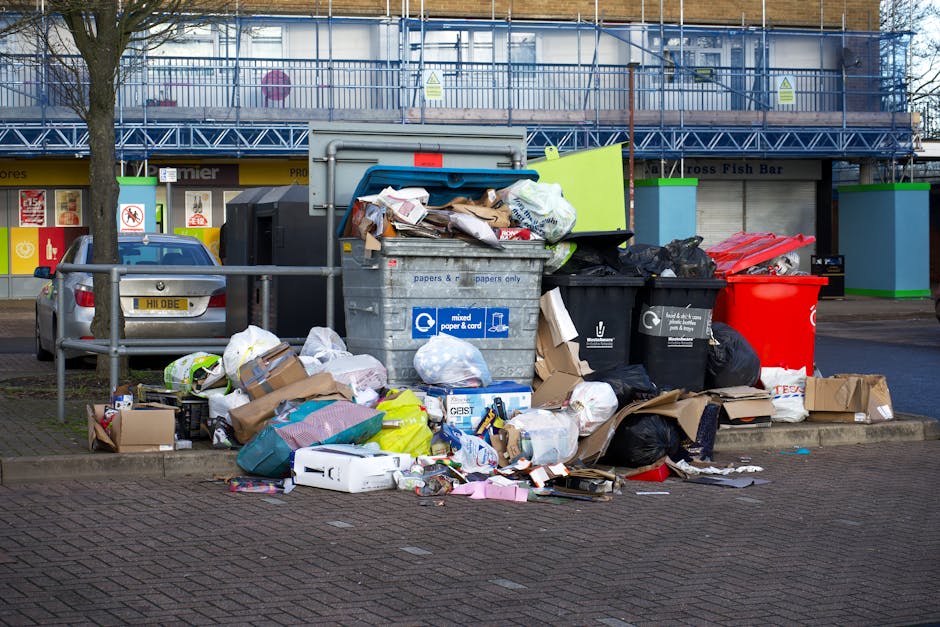
Common Mistakes to Avoid
The biggest mistakes are usually simple ones. Which is annoying, frankly, because they are so avoidable.
- Booking on price alone: The lowest headline figure may not include labour, loading, access issues, or disposal fees.
- Misclassifying waste: Builders' waste, electricals, and mixed household rubbish can need different handling.
- Underestimating volume: A small pile can grow quickly once it is moved into the open.
- Not checking access: A van may not be able to park exactly where you imagined, especially on a busier stretch near Ballards Lane.
- Leaving sorting too late: The morning of collection is not the best time to decide which box contains important paperwork.
- Forgetting compliance concerns: Some waste needs careful handling, and not every provider is equally diligent.
Another classic mistake is assuming everything can go in one pile. In reality, mixed waste often needs more attention than people expect. The first time you clear a loft, it can feel like archaeological work. Old frames, broken toys, suitcases, half-finished DIY projects... it all surfaces at once.
Tools, Resources and Recommendations
You do not need specialist equipment for most domestic clearances, but a few simple tools make the process easier:
- Strong bin bags or rubble sacks for loose waste
- Labels or tape to mark keep, remove, and fragile items
- Gloves for sorting dusty or sharp materials
- Trolley or sack truck if you are moving a few heavier items yourself
- Basic measuring tape to estimate large furniture dimensions
- Phone camera for photos and visual notes
Useful planning resources include your own room-by-room checklist, a rough inventory of bulky items, and a note of building access details. If you are dealing with furniture in particular, the furniture disposal Finchley page can help you think through what counts as a bulky item and how it is usually removed.
For bigger projects, you may also need specialist support. A house clearance may be the better fit for a full property, while a loft clearance is usually more appropriate for stored items and long-forgotten clutter. If that sounds like your situation, the house clearance Finchley and loft clearance Finchley pages are worth checking.
Law, Compliance, Standards or Best Practice
Waste removal in the UK sits within a broader legal and environmental framework, so it is sensible to treat compliance seriously. You do not need to become an expert overnight, but you should expect any reputable provider to handle waste responsibly and to explain what happens to it after collection.
In plain terms, best practice usually means:
- sorting recyclable and reusable materials where possible
- avoiding fly-tipping and untraceable disposal routes
- handling electricals and mixed waste carefully
- using trained staff for lifting and transport
- being clear about what the service includes and excludes
If the waste includes items that may need special handling, ask about it before booking. Better to have a short conversation than a long clean-up after the fact. Safety matters too. Good operators should work with care around access routes, shared spaces, and heavy items, and it is reasonable to expect sensible precautions.
For customers who value reassurance, the site's insurance and safety information is a good place to understand how those basics are approached. If you care about how a company operates behind the scenes, the about us and terms and conditions pages also help set expectations in a straightforward way.
Options, Methods, and Comparison Table
Not every rubbish removal job needs the same solution. Some people only need a few items collected; others need a full-scale clearance. Here is a simple comparison.
| Method | Best for | Typical advantage | Main drawback |
|---|---|---|---|
| DIY trips to a disposal site | Very small loads | Can be cheaper if you already have transport and time | Time-consuming, physically demanding, and not ideal for bulky items |
| Ad hoc van collection | One-off furniture or mixed bags | Quick and flexible | Quality and pricing can vary a lot |
| Specialist rubbish removal service | Mixed waste, access issues, larger jobs | Fast, tidy, and usually easier to manage | Costs more than doing it yourself |
| House or office clearance | Full-property or room-by-room clear-outs | Best for bigger jobs with many items | Needs more planning and a more detailed quote |
So which is best? If you have a handful of sacks and a free afternoon, DIY might work. If you have stairs, a deadline, or more than one bulky item, a professional collection usually saves time and strain. For offices, a dedicated clearance is often the cleaner choice, especially when desks, chairs, archive boxes, and packaging all need handling together. The office clearance Finchley page is relevant here.

Case Study or Real-World Example
Here is a realistic local scenario.
A small household in Finchley Central had been meaning to clear a spare room for months. It had become a catch-all space: one broken armchair, a disassembled shelf, bags of old clothes, a printer that no longer worked, and a few boxes from a recent move. Nothing dramatic. Just one of those rooms that quietly gets out of hand.
They started by separating items into keep, donate, and remove. Two things were saved that would otherwise have been thrown away, which already made the effort worthwhile. They then photographed the remaining waste, noted that access was via a narrow staircase, and booked a collection with the room fully accessible before the team arrived.
The result? The clearance was completed in one visit. The room was swept, the bulky items were taken away without damaging the walls, and the household could finally use the space again. Not a life-changing story, maybe, but an honest one. And those are the jobs that matter most to real people.
If the clear-out had included builders' debris from a renovation, they would likely have needed a different approach. For that kind of mixed project, the builders waste disposal Finchley page would be the more suitable reference point.
Practical Checklist
Use this checklist before your rubbish removal booking:
- Identify all items to be removed
- Separate keep, donate, recycle, and dispose piles
- Take photos of the waste and access route
- Measure bulky furniture if it might be tight through doorways
- Check parking and entry access
- Ask what is included in the quote
- Confirm whether heavy lifting is covered
- Remove valuables, documents, and personal items
- Flag anything fragile, sharp, or unusual
- Choose a collection time that fits the building and neighbours
- Review safety and payment information before booking
- Keep a note of the final agreed price
One small extra step: do a final walk-through of the room before the team starts loading. It takes two minutes and can save a lot of awkward "wait, that box was staying" moments.
If your situation involves a property sale or a wider refresh, a few useful reads can help you plan around the bigger picture, including Finchley property sales insights and a Finchley property investment guide. They are not waste articles, naturally, but they do help if you are clearing with resale or letting in mind.
Conclusion
A good rubbish removal Finchley Central Ballards Lane guide should make the process feel manageable, not mysterious. Once you understand how collections work, what details matter, and where the common pitfalls are, the whole job becomes far easier to plan.
The key is simple: be clear about what needs removing, check the access, ask sensible questions, and choose a provider that treats sorting, safety, and disposal with care. Whether it is a few bulky items or a full clear-out, a little preparation goes a long way. And if you are standing in front of a room full of clutter wondering where to start, start with one bag. That's enough. Then another.
Get a free quote today and see how much you can save.
With the right approach, the space you want is usually closer than it looks. Sometimes all it takes is one tidy decision.
 Tipper Van - Rubbish Disposal and Waste Clearance Prices in Finchley, N2
 Luton Van - Rubbish Disposal and Waste Clearance Prices in Finchley, N2

